Subanen -Philippine Flag unity

Philippines orders 240 Japanese train cars for first Manila subway for $556 million USD

Philippines orders 240 Japanese train cars for first Manila subway for $556 million USD


Sumitomo and JR East's $556m contract follows 2019 commuter rail deal

Philippines orders 240 Japanese train cars for first Manila subway

Japanese trading house Sumitomo Corp. and an East Japan Railway unit announced Monday that they won a 57.5 billion yen ($556 million) order for train cars that will serve Manila's first-ever subway system. 

President Rodrigo Duterte's Build Build Build program highlighted the Manila's first-ever subway public transport system which idea was rejected by all previous Philippine Presidents due to their belief that subway train system could not withstand in the Philippines due to flooding issues ignoring the suggested engineering intervention that could protect the project from floods. 

Sumitomo and JR East subsidiary Japan Transport Engineering signed the contract on Dec. 15, 2020 according to the news release. The order covers 240 subway cars, with the final delivery date set for March 2027.

The subway will span 36 km and 17 stations in the Greater Manila region. The line will connect Quezon City in the north to the city of Paranaque in the south.

The subway project is the centerpiece of the "Build, Build, Build" infrastructure initiative being led by President Rodrigo Duterte's government. The Japanese government is providing foreign development assistance for the undertaking.

The contract comes on the heels of last year's order for 104 cars that will run on a north-south commuter railway serving Manila. The line is expected to fully open in 2025.

Japan Transport Engineering is making both the subway and commuter cars, which will be similar. The company owns the largest share in Japan's commuter-rail-car market.

The cars run on Tokyo rail lines operated by parent company JR East, also known as East Japan Railway. The Manila subway line will be modeled after Tokyo's subway system. Read more at Asia Nikkei


Subanen Mapawa Nature Park - How to get there?

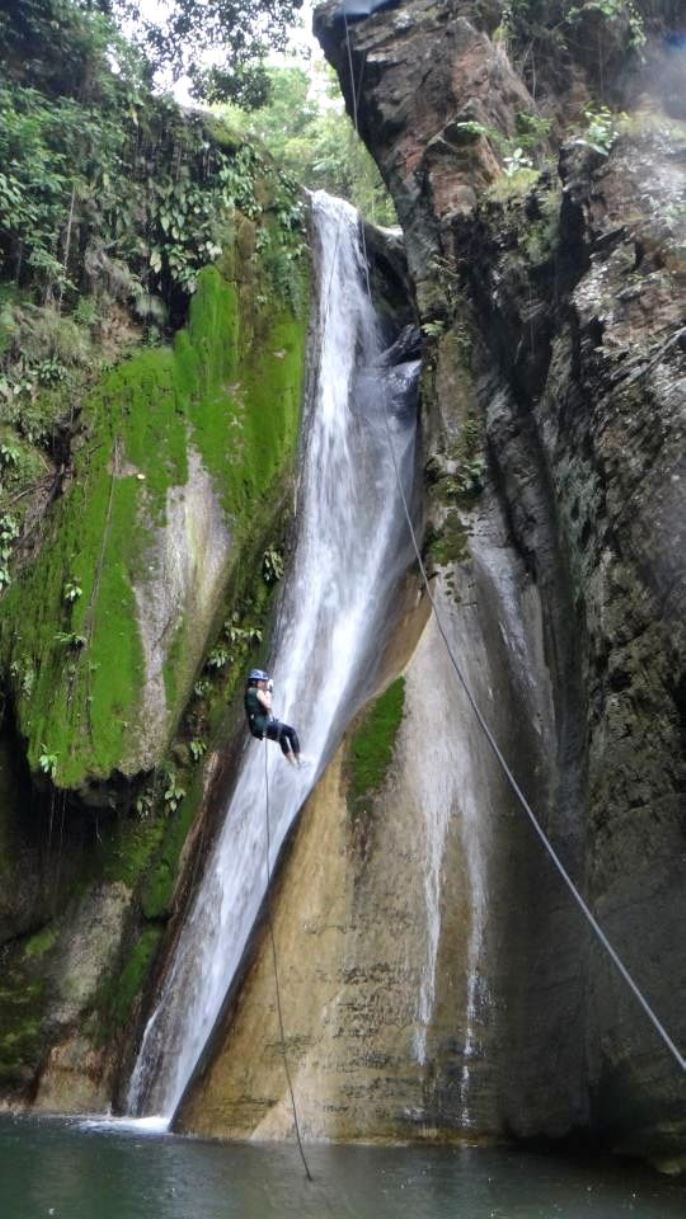
Rappelling at Subanen Mapawa Park

The Subanen Mapawa Nature Park is the ancient paradise of the Subanen people in Mindanao living along with the Bukidnon, Higanonon, Kamigin, Manobo, Matigsalug, and Umayamnon people . In the Modern times, this also among the must-visit destinations in Cagayan de Oro City where both adventure and nature lovers are most welcome.  It is the best adventure attraction in the city and it offers different kinds of fun outdoor activities to the curious and adventurous and presents the visitor with a spectacular view of Cagayan de Oro's pristine environment filled with lush forests, streams and landscape.

The fascinating Mapawa Nature Park is located just a few-minute ride from the Malasag Eco-Tourism Village. Visitors can find a small waterfalls in the area where they can enjoy swimming. There are also picnic tables set nearby under gigantic trees. 

Mapawa Nature Park is a 2,500 hectare eco-tourism destination 30 minutes away from the city proper still within Cagayan De Oro City. Visitors would be amazed with the exquisite flora here, especially the trees which are centuries old.

There are several activities for every tourist should experience in Mapawa Nature Park for maximum fun and adventure.

Slide from a 20 ft. high waterfall, body rappel during the trek, jump from a 25 ft. high cliff and rappel 65 ft. down. Mapawa Nature Park offers all that in Cagayan de Oro City.

The river trek package or canyoneering costs ₱1300 Php/person and this already includes the entrance fee, packed lunch and bottled water.

Other prices:

  • Environmental fee ₱50/head,
  • Camping fee ₱100/head (minimum of 10),
  • Horseback riding ₱200/hr.,P125/30 mins. ₱100/15 mins.
  • Swimming pool ₱75/head
  • Zipline ₱325/head.
  • Trail run/hike ₱300/guide,
  • View deck big ₱1,000 & small ₱500.

The Mapawa Nature Park offers many wonderful activities for its visitors, like:

 A guided trek to the big waterfalls and a mini forest

  •     Ziplining
  •     Horseback Riding
  •     Swimming
  •     Camping
  •     Rappelling
  •     Group Activities

The area is open from Tuesday to Sunday, 9 am to 5pm, during weekdays and 7am to 5pm on weekends. The park also accommodates overnight stays for a minimum of 10 persons. Visitors should rent a car or motorcycles if you plan to visit the adventure park because there is no public transportation in the area.

Mapawa Nature Park is an ideal place for relaxation. It is also a perfect place for everyone especially for your family and barkada outings. Visitors shouldn't miss visiting this one of a kind attraction in the Philippine south.

Location

Mapawa Nature Park, Cugman, Cagayan de Oro City, Misamis Oriental, Philippines.

Getting there

Cagayan de Oro is accessible by land, air and water transportation.

By plane

Lumbia Airport, often called Cagayan de Oro Airport, the airport serves flights from Cebu, Manila and Davao. Airline carriers such as Philippine Airlines, and Zest Airways and budget and regional carriers such as Cebu Pacific and Air Philippines.

By boat / Ship

Cagayan de Oro Port is a modern International seaport situated near the estuary of Cagayan de Oro River, it has an anchorage depth of 18 meters and is around 400 meters from the shoreline. It serves regular boat trips to and from Manila, Cebu, Tagbilaran, Bacolod, Dumaguete, Iloilo, Iligan and Jagna, Bohol. The port has two authorized cargo-handling operators and is one of the busiest seaports in the Philippines.

  •     Super Ferry
  •     Cebu Ferries
  •     Trans Asia
  •     Negros Navigation
  •     Sulpicio Lines
  •     Gothong Lines

By bus

Cagayan de Oro is quite sufficient when it comes to land transportation. You can easily roam around the city by any means of land transport. There are three integrated bus and jeepney terminals, which offer regular land trips:

 Agora Integrated Bus Terminal offers regular land trips to and from Gingoog, Bukidnon, Kabacan, North Cotabato, Butuan, Surigao (in the Caraga region), Davao, Tacurong and Balingoan (ferry going for Camiguin). Recently, the terminal is on a huge renovation.

 Eastbound-Gusa Jeepney Terminal offers regular land trips to and from the eastern towns of Misamis Oriental, Camp Philips, Libona and Manolo Fortich in Bukidnon.

 Westbound-Bulua Integrated Bus and Jeepney Terminal offers regular land trips to and from the western towns of the Misamis Oriental including Laguindingan and El Salvador, Iligan, Marawi, Oroquieta, Ozamiz, Dipolog, Pagadian, Zamboanga and some parts of Western Mindanao.

From Davao, one bus every 30-60min, 7-10h duration depending on weather/traffic/road construction, multiples stop including lunch+diner break. Bus station is inside city market, few (mid/expensive) hotels nearby, jeepney R2 to Pesoria for a town center.

Getting Around

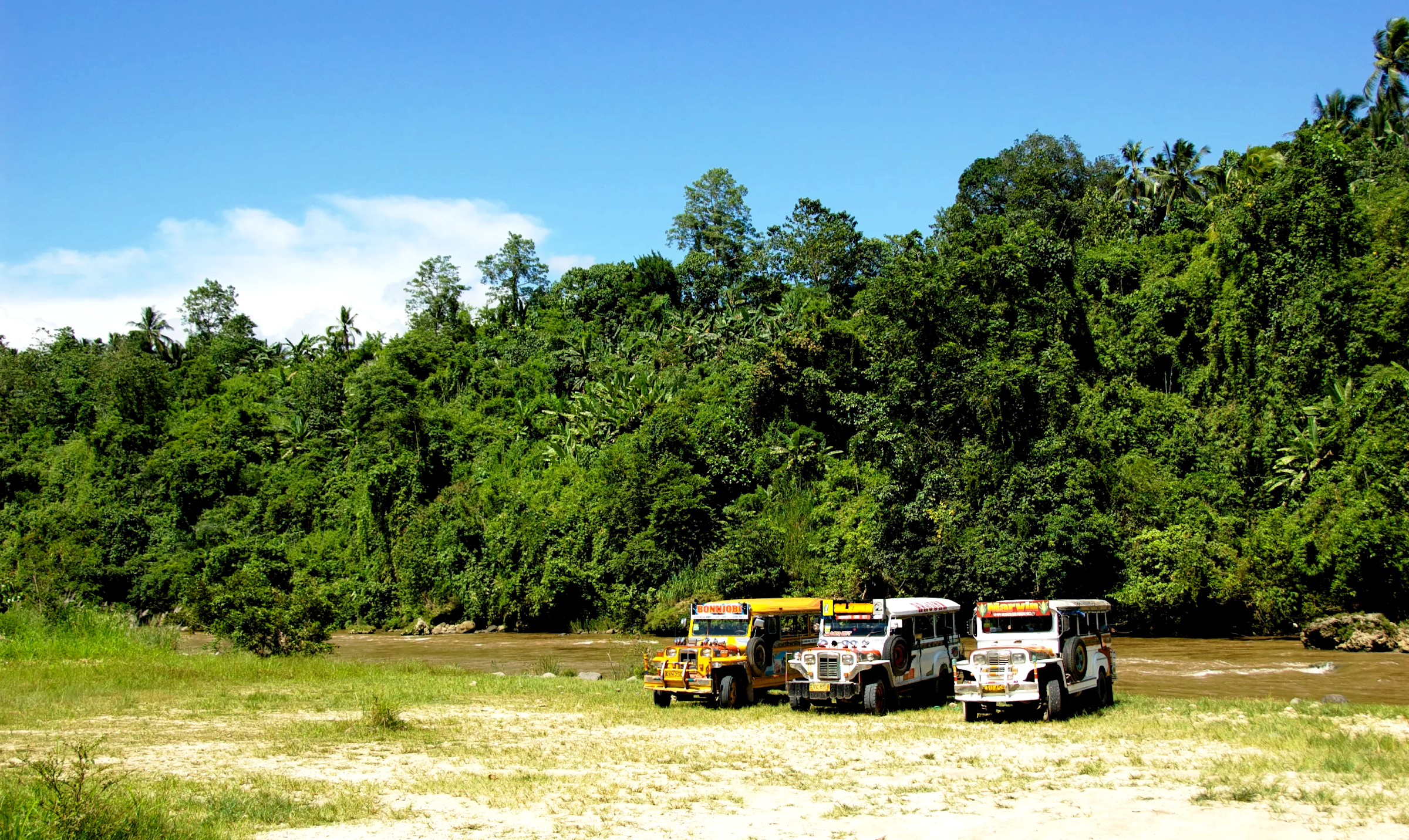
Jeepney rides at Subanen Mapawa Park

Traditional century jeepneys are available for only ₱9.00 Php per ride for every 5 kilometers

Bus, jeepneys, taxis, multi-cab and the motorela (similar to Thailand's tuk-tuk) are the main mode of land transportation within the city.


Sa' mesekuit mu ig duma mu, iin dayuni telu'en mu, “Ai, misekuitu lai ya'a, tumu' pesailu mau, pu' kana'u tinibaba- stepped on other's foot sorry

aaw! Oh! Yes! ooh! Interjection stepped on other foot'

 Interjection: Aaw! Ohh! Eh!: What one says when he or she inadvertently bothers s.o. or remembers s.t. 

Subanen to English Translation:

Mesekuit -step

Mesekuitu - stepped

Pesailu mau - forgive me

Telu (tiil) - foot

Pesailu  - forgive / ask sorry

Pu' kana'u tinibaba - for I didn't mean to

Aba! - hey!

Beledutu  (hubag) - boil

Mesaba - hit

Mu  - you

Miata / mita / minita - see /seen

Medelem  gupia - very dark

Medelem - dark ( no light)

Gupia - very / really / extremely / 

-------

(Note there is no letter "W" in Subanen Alphabet. "W" is replaced with O, or U, or "io"  example Magiliw = magilio",  Walo = Oalo, Melingaway = Milingaoay)

-------

Example:

(Interjection: Aaw! Ohh! Eh!: What one says when he or she inadvertently bothers s.o. or remembers s.t. !)

-------

Subanen: Sa' mesekuit mu ig duma mu, iin dayuni telu'en mu, “Ai, misekuitu lai ya'a, tumu' pesailu mau, pu' kana'u tinibaba'” '. 

English: If you happen to step on your companion's toes, what you should then say is, “Oh, I stepped on your toes; please forgive me, for I didn't mean to.”

-------

Example:

-------

Subanen: “Aba, misaba' mu ig beledutu.” “Ai, nda'u maita', pesailu mau, pu' medelem gupia..” 

English: ““Hey, you hit my boil.” “Oh, I'm sorry; I didn't see it. Forgive me, (it happened) because it's very dark in here..” 

-------

Note: You may share your Subanen version based on your locality. (Subanen tuboy, Subanen Sibugay, Subanen Sindangan, Subanen Misamis etc.)


Nda' mu da melingauay su pimuun dini'a ni Kuis? Mita, minita u forget and forgotten see and seen

aaw! Oh! Yes! ooh! Interjection'

 Interjection: Aaw! Ohh! Eh!: What one says when the thought has just occurred: oh! 

Subanen to English Translation:

Mita - See

Minita - Seen

Melingauay - Forget / forgotten

Kuis - Kuwis 

(Note there is no letter "W" in Subanen Alphabet.

 "W" is replaced with O, or U, or "io" 

example Magiliw = magilio", 

Walo = Oalo, 

Melingaway = Milingaoay)

-------

Example:

(Interjection: Aaw! Ohh! Eh!: What one says when the thought has just occurred: oh!)

-------

Subanen: Aaw, wa'a, minita'u. . '. 

English: Oh, yes, I saw it.

-------

Example:

-------

Subanen: “Nda' mu da melingauay su pimuun dini'a ni Kuis?” “Aaw, wa'a daan tu'u; sa' nda' mu da talu' puli' dinaan, mipati'u gupia melingauay.” 

English: “You didn't forget about what Kuwis asked you to do, did you?” “Oh, my, yes, if you hadn't told me again, I would surely have forgotten it altogether.” 

-------

Note: You may share your Subanen version based on your locality. (Subanen tuboy, Subanen Sibugay, Subanen Sindangan, Subanen Misamis etc.)


Si Laloy dema kini, mengaan gukiten gupia; Uto uto, Ulug ulugan madaling maniwala sa fakenews

Gullible' aan gukiten Readily believes what is untrue or what is true and perceived as negative in nature

 Idiom: aan gukiten - Gullible . Readily believes what is untrue or what is true and perceived as negative in nature, gullible.. 

Subanen to English Translation:

Gupia - really  / surely (strongly agree) 

Gukiten - gullible

(gukiten - uto uto, ulg ulugan madaling ma uto)

-------

Example:

Idiom: aan gukiten

(Verb- Readily believes what is untrue or what is true and perceived as negative in nature, gullible. )

-------

Subanen: Si Laloy dema kini, mengaan gukiten gupia.'. 

English: As for this guy Laloy, he really is gullible.

-------

Note: You may share your Subanen version based on your locality. (Subanen tuboy, Subanen Sibugay, Subanen Sindangan, Subanen Misamis etc.)


Melengas paan dig telimbaug, metabug gupia seda', kig lelanug, muka' lelupa' Bait used for trapping fish or wildlife

earthworm is goof fish bait Melengas paan dig telimbaug, metabug gupia seda', kig lelanug, muka' lelupa'

 Fishing with single hook: earthworm is the best bait. Melengas paan dig telimbaug, metabug gupia seda', kig lelanug, muka' lelupa'. 

Subanen to English Translation:

Melengas - good 

Seda - fish

Muka lelupa - earthworms 

Muka - worm

Paan (paon) - bait

Telimbaug - Angling / hook 

Kig lelanug - Lelanug insects

-------

Example:

(noun- Bait used for trapping fish or wildlife )

-------

Subanen: Melengas paan dig telimbaug, metabug gupia seda', kig lelanug, muka' lelupa'. 

English: What are good bait for angling, what the fish really love, are lelanug insects and earthworms.

-------

Note: You may share your Subanen version based on your locality. (Subanen tuboy, Subanen Sibugay, Subanen Sindangan, Subanen Misamis etc.)


Laak se deluk ami mateng tu piglumpukan, inilakan ami dayun gaan - Just a moment after we got to the gathering, we were served food

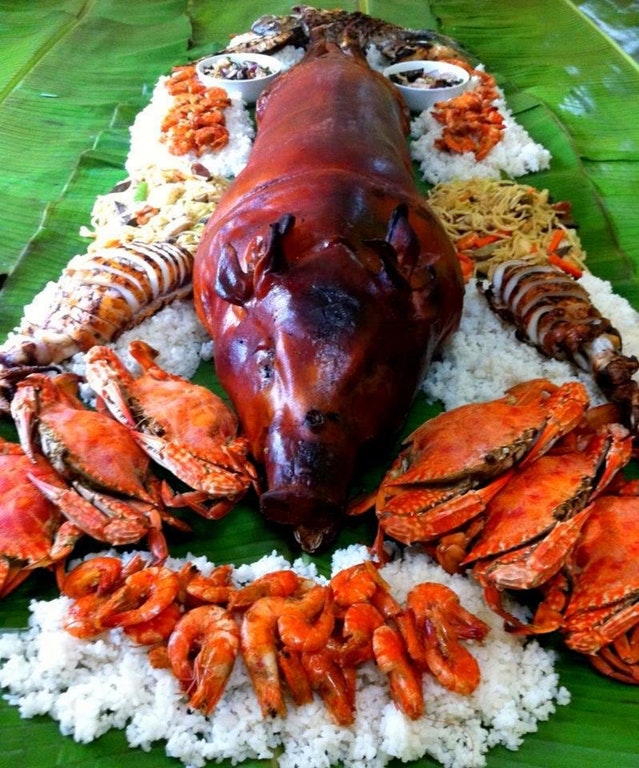
Kamayan serving the traditional food serving in the Philippines

 Traditional food serving in the Philippines. "Kamayan Food" or eating by hand. Food are place on the banana leaves and guest would freely pick the food they like in the table. 

Subanen to English Translation:

Piglumpukan - gathering 

-------

Example:

(noun- staple / food )

-------

Subanen: Laak se deluk ami mateng tu piglumpukan, inilakan ami dayun gaan. 

English: Just a moment after we got to the gathering, we were served food

-------

Subanen: Danaan, ki gaan, sa' madas ndi'u baya', pu' melaati nanam ku dun. 

English: As far as I'm concerned if food has an itchy flavor, I don't feel like eating it, because it tastes bad to me. 

-------

Example:

(verb- Of a living creature, eats s.t.

Subanen: Guna na amu aan, pu' duun pai kelangan ku. 

English: You (plural.) eat first, because I have something to do yet.

-------

Note: You may share your Subanen version based on your locality. (Subanen tuboy, Subanen Sibugay, Subanen Sindangan, Subanen Misamis etc.)


Aalen sug begas ditu gantang - Measure the hulled-rice by ganta-measure

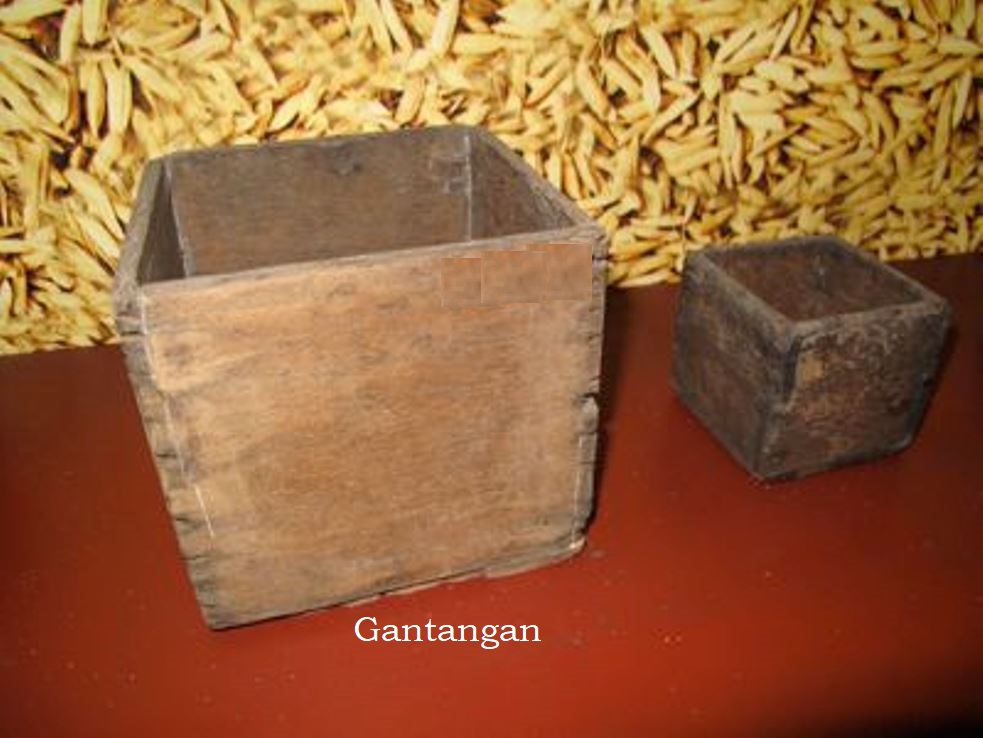
Gantangan - Ganta of rice / quart

 Gantangan is used to measure un-cooked rice, corn, beans 

Subanen to English Translation:

Begas - rice

Saguk - cup

Basu - cup

Pondut - pinch

Sakuu - sack

Gantang  - Quart / Ganta - measure [measuring rice (uncooked); corn (for planting); beans (for eating)]

-------

Example:

(verb - Measures s.t. by pouring it into or from a standard container. )

Subanen: Aalen sug begas ditu gantang. 

English: Measure the hulled-rice by ganta-measure.


-------

Note: You may share your Subanen version based on your locality. (Subanen tuboy, Subanen Sibugay, Subanen Sindangan, Subanen Misamis etc.)

Aa, ki getaw kiin, ki melaat gulaula nen, milamug na di guneden - Well, that person, his evil behavior has become habitual

Rugby boys - inhaling solvents drug in manila

 Street dwellers in Manila inhaling solvent / drugs

Subanen to English Translation:

Aa - well

Ki ' kiin' - that

Getaw - person

Ki'  - his / Nen - has

Malaat - evil / bad

Milamug na di guneden - become habitual

-------

Example:

(interjection  - English. Expression of agreement, mild surprise or resignation.) 

Subanen: Aa, ki getaw kiin, ki melaat gulaula nen, milamug na di guneden....

English: Well, that person, his evil behavior has become habitual.... 

-------

Note: You may share your Subanen version based on your locality. (Subanen tuboy, Subanen Sibugay, Subanen Sindangan, Subanen Misamis etc.)

Sa' meligu'a diag betuan, sa' denglagan ka nabek - If you swim in a rapids, if you are swept against a rock by waves

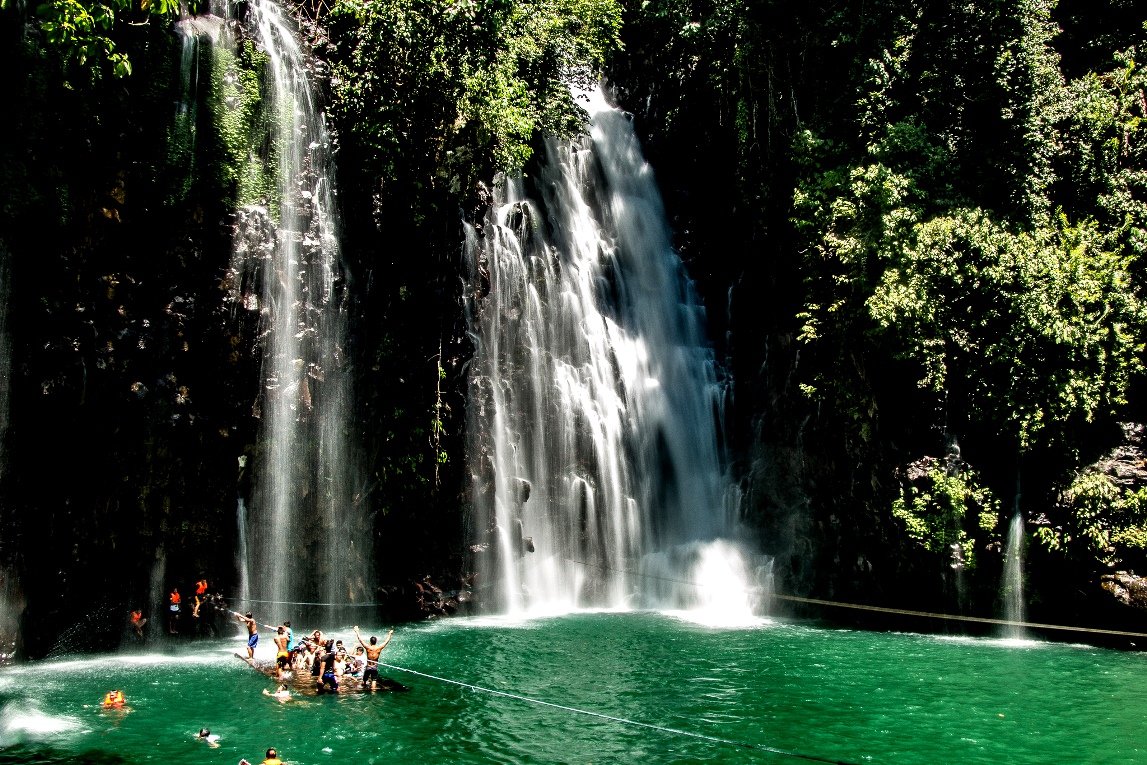
Tinago falls

 Swimming at the  Tinago falls, Iligan City. Lanao del Norte and Iligan City were the ancient shared  territory of the Higaonon and Subanen tribes of Mindanao. Both tribes are family or close relative tribes

Subanen to English Translation:

Sa - if

Meligu - swim / bath / shower

Batu - rock  / stone  

Magem - knocked out

-------

Example:

(pronoun)

Subanen: Sa' meligu'a diag betuan, sa' denglagan ka nabek, melimbaga tug batu, magem ka 

English: If you swim in a rapids, if you are swept against a rock by waves, you'll be knocked out.

-------

Note: You may share your Subanen version based on your locality. (Subanen tuboy, Subanen Sibugay, Subanen Sindangan, Subanen Misamis etc.)

Inalap ni gadi' keni ki maika' manukmanuk, maya - This king got a small bird, a ricebird

Maya or ricebird

 Maya a small bird or rice bird over the palay

Subanen to English Translation:

Maya - rice bird

Manuk manuk - bird

Maika - small

Keni da - just this

laung - he says

M'bata - child

Sala buuk / salabuk / sarabuk - one

Pelutu mu - cook it

Sepulu bu dua - twelve

nanamen - flavors

-------

Example:

Subanen: Inalap ni gadi' keni ki maika' manukmanuk, maya. “Keni da,” laung, “Mbata', ki maya kiin,” laung, “maya, a sala buuk maya, pelutu' mu, sepulu' bu' dua' ki nanamen.” 

English: This king got a small bird, a ricebird , “Just this,” he says, “Child, this ricebird,” he says, “ricebird, uh one ricebird, cook it, twelve flavors.”

-------

Note: You may share your Subanen version based on your locality. (Subanen tuboy, Subanen Sibugay, Subanen Sindangan, Subanen Misamis etc.)

Su a kelabaw, miawa' da ditu tubig - Carabao in the water

Su a kelabaw, miawa' da ditu tubig - Carabao in the water

Carabao or Water Bufallo in the water 

Subanen to English Translation:

Su - The

a - uh

Kelabaw - carabao or water buffalo

Miawa  da ditu tubig - is it out of the water

Dupi - rain

Megbaa - flood

-------

Example:

Subanen: Su a kelabaw, miawa' da ditu tubig? Gempales dema dupi', megbaa' buus. 

English: The, uh, water buffalo, is it out of the water? It's raining hard, it'll flood later. 

-------

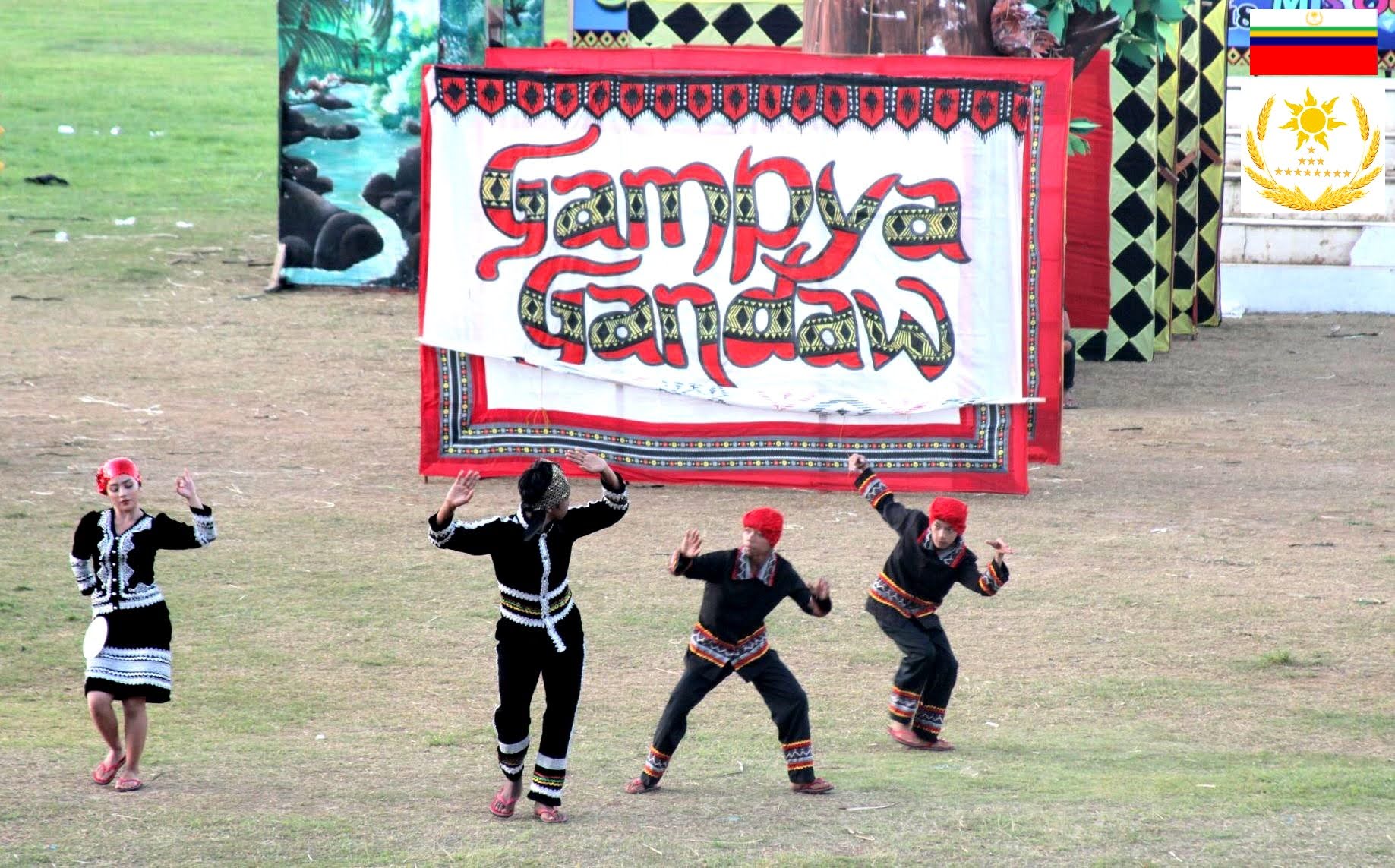
Pas'ungko Festival

Pas'ungko Festival

 Pas'ungko Festival

Pas'ungko Festival highlights Subanen folklore and literature

Subanen cultural heritage is alive and thriving in the entire Subanen territory of Subanen People's Kingdom (SPK) one which it is the Pas'ungko S'g Mis Occ Festival, a highlight of the province's 89th anniversary celebration, and a thanksgiving celebration for the abundance of blessings among the Subanen people.

The Pas'ungko street dance competition promotes cultural sensitivity through its carefully crafted presentations which were reported to be studied exhaustively before being rendered into artful performances.

Each of the 11 competing contingents showed accurate representation of the Subanen tribe, from their traditional attires that tell of the tribe's rich history and culture, to their symbolic rituals and vibrant folk literature.

Echoing the advocacy of preserving the identity and culture of indigenous people, and organizing events for the public so that they may witness and be reminded of their ancestors' legacy.

"This celebration is not only an invitation for now, we should work harder so that our future generation may enjoy what we have this moment. Let this be our gift to them in the future."

His Majesty Rajah Gendao is thankful to the Philippine' Department of Tourism (DOT) for promoting the awareness about the Subanen Culture in Subanen People's Kingdom (SPK) to the entire Philippines and in the world. His majesty is also thankful to the Misamis Occidental Government, the organizers, the participants and most of all the People who visited and enjoyed the festival which is celebrated every month of November.


MSU-IIT ILIGAN, Siliman University Dumaguete :TOP Asian Universities QS List 2019

MSU-IIT ILIGAN, Siliman University Dumaguete :TOP Asian Universities QS List 2019
Iligan Institute of Technology of Mindanao State University (MSU-IIT) and Siliman University newly joined QS Asia's top Universities 2019 ranking

(CNN Philippines) — The Mindanao State University-Iligan Institute of Technology (MSU-IIT) joined the roster of Philippine schools in the annual list of top Asian universities by United Kingdom-based group Quacquarelli Symonds (QS).

MSU-IIT placed in the 451-500 bracket of the QS Asia University Rankings 2019, along with Dumaguete's Silliman University.

The University of the Philippines still led the country's universities in the rankings, rising three notches to 72nd place.

It was followed by the Ateneo de Manila University at 115th spot (down from 95th place), De La Salle University at 155th (down from 134th place), and University of Santo Tomas at 162nd (down from 145th).

University of San Carlos and Mapua University trailed, retaining their positions at 301-350 and 401-450, respectively.

The National University of Singapore regained the top spot in the region after falling to second place last year. It was followed by University of Hong Kong at second spot and Nanyang Technological University-Singapore and Tsinghua University both at third place.

Rounding up the top ten were Peking University, Fudan University, The Hong Kong University of Science and Technology, Korea Advanced Institute of Science and Technology, The Chinese University of Hong Kong, and Seoul National University.

The rankings are based on universities' academic reputation, employer reputation, faculty-student ratio, international research network, citations per paper, papers per faculty, staff with doctorate degrees, international faculty, international students, inbound exchange, and outbound exchange.

In a statement, the Commission on Higher Education (CHED) lauded the eight Philippine universities and said it will soon launch a project aimed at developing public and private institutions further.

"The Commission will soon launch a project through its International Affairs Service that will assist Philippine universities to showcase their excellence to the world, promote their internationalization initiatives and increase global reputation through international benchmarking assessment of institutions using internationalization metrics," CHED Chairman Prospero De Vera III was quoted as saying.

-CNN PHILIPPINES 

Zamboanga City, Subanen Territory, Mindanao Philippines

Semboangan the now Zamboanga Pink beaches

Zamboanga Pink Beaches

Zamboanga City was the Subanen Tribe business district for trade and barter  before the arrival of the Spaniards. It was named as Semboangan and in the modern times it become established tourist destination in Southern  Philippines and Western Mindanao. 

It is likewise a well-known Philippine destination for cruise ships – especially in the ASEAN, BIMP-EAGA, and South China Sea circuits. Zamboanga City also acts as the gateway and service hub for the other Western Mindanao regional tourism destinations like Pagadian City, Dipolog City, and Dapitan City.

Where to Go in Zamboanga?

Santa Cruz Island 

These islands are known for its pinkish sand beach because of the washed out corals from the sea bottom. On the island is a fishing village, lagoon and an old Moslem burial ground. These are an extensive and varied underwater life of coral heads and rocks, which support a large variety of tropical fish. The place is ideal for swimming, snorkeling, skin, and scuba diving, beachcombing and sunbathing. Sta. Cruz Island can be reached in 15 minutes by motorboats from either Lantaka Hotel or the Zamboanga Golf and Sports Complex.

The islands are located about 4 kilometers from the Poblacion Zones coastline. The islands hold great potential and are ideal for offshore, island - base resort developments. At, present, the islands are being utilized for tourism purposes, but have not reached their full potentials. Existing development plants and programs are very informal.

Bolong beach and Eleven Islands

This destination is about 30 kilometers from downtown Zamboanga City along the eastern coastal areas of the city. The 11 islands, starting with Visa island, the southernmost part of the cluster, is located off Brgy. Bolong while the northernmost part, Lampinigan Island, is 1.5 km. off the shores of Brgy Dita. These islands are scattered over a seven by six kilometer area, spanning four seaside Barangays, namely, Bolong, Panubigan, Lubigan, and Dita, going on a south-north direction. The area has been found to possess varied natural characteristics such as rock formation and off-white beaches fit for various recreational activities.

The island on the eastern side of the 11 island cluster, namely, Visa, Baong, Buguias, and Sirumon islands are gifted with white sand beaches on some portions of the islands edges, which can be ideal for swimming and sunbathing. Around these islands are deep

waters ranging from 16 to 24 fathoms that can be an ideal location for snorkeling , skin and scuba diving. These islands are also highly vegetated, attesting to the fertility of the soil. Some of the islets, particularly those adjacent to Visa and Baong Islands, can possibly be transformed into flower islets where various flower species of Zamboanga City can be cultivated and grown. Since they are very near the larger islands, they can be connected by hanging bridges.

The western side of the 11-island cluster, particularly Cabugan, Limbang, Bobo, and Simoandang, are generally rocks formations but still highly vegetated., except for Cabugan. Cabugan Island, with its relatively high rock information, can be developed for rock climbing rappelling activities with a hiking trail on the island. Some of its ledges can be developed as high as diving take-off points.

Bog Lake

The lake consist of about 60 to 70 has. of wetlands and is bounded on the east by a property owned by the Archdiocese of Zamboanga City where tall acacia trees are grown. This area is adjacent to a highly populated residential area linked to the Southern Command Compound. Another residential area, the Lakeview Subdivision, bounds the take on its west side.

The lake, which is about 4 km. from the city center, is adjacent to the northern half of the Zamboanga Golf and Country Club. Early settlers in Zamboanga remember it as a bird sanctuary during the cold season of neighboring countries. It could be considered as one of the largest bodies of water at the heart of a fast urbanizing area of the City, Calarian.

The Calarian State Freshwater Fisheries Sanctuary and Hatchery is also located at the heart of the lake. Clumps of coconut trees are clustered in the northern part of the lake, while towering old acacia trees can be found in the eastern part. Various types of freshwater fish and crocodiles are found in the lake. The perimeter of the lake area is highly vegetated, though most of them are wild grass and shrubberies.

The western and eastern sides of the lake are being overrun by residential development while the southern side bordering the Zamboanga Golf Course and Country Club is already being encroached by a considerable number of squatters.

Cruise ship Destination Network 

This destination is located in the existing Port Area of the Poblacion Zones. The area holds potential for assorted allied developments revolving on the presence of cruise ship berthing facilities and other related port activities.

Pasonaca Park Complex and Environs 

Located about 7.5 kilometers from downtown Zamboanga City, Pasonanca today is known all over the Philippines as a tourist attraction. It has become a popular site for youth citizenship training and for boys and Girl Scout jamborees. To those who come from the north, perhaps due to its location at about 500 feet above sea level and surroundings of verdant hills and mountains. In a 1959 contest for parks, plazas and gardens nationwide., Pasonanca Park won the First Prize as the Number One Garden of the Philippines. Construction of this Park was began in 1912 by Gen. John J. Pershing, the military Governor for Mindanao.

Pasonanca Park is one of the centerpiece destinations of the city. Aside from the park proper, Pasonanca has a spectrum of other destinations within the park and its environs. Some of these are: Tree House, Pulung Bato – Chief Sarangan House; la Paz Resort, Climaco Freedom park; Bog Lake; Abong-Abong “Greenhouse” and View Decks; Zamboanga Convention and Multi-Purpose Center; and the Brgy. Sta. Maria Flower Showcase.

Tigbalabag Heights 

Located in Bgy. Tigbalabag about 45 kilometers from downtown Zamboanga, the heights are suitable for upland, foothills and watershed-compatible developments. The area has commanding views and panoramic vistas of the city and the Moro Gulf.

Tutungatung Village 

Tuungatung is another Muslim cultural showcase. It is located in Barangay Tulungatung, along the western areas of the city.

Yakan Weaving Village 

The Yakans, the original inhabitants of Basilan Province, are considered one of the finest weavers of the Philippines. The Yakan weave is so fine that it takes a week or so to finish a meter of cloth. The Yakan clothe commands a high price in well-known trade centers in the Philippines because of its design and craftsmanship. It is located in Barangay Upper Calarian.

Zamboanga Convention and Multipurpose Center 

The golf course was originally known as the Zamboanga Golf and Country Club when Gen. John J. Pershing founded it in June 1910. This is one of the oldest golf courses in the country with Gen. Pershing the club’s finest president.

The course has 18 holes spread over 64 hectares and has a fine layout with winding fairways, dogleg situations and good greens planted to Tifton 228. Its bunkers have the unique pink sand from Sta. Cruz Island. Although the course’s first nine is somewhat flat in terrain, its second nine is fairly rolling and skirts the Basilan Strait for a magnificent ocean view. An interesting round is always in store for the average golfer or the proficient campaigner, as long tree mounds assure flexibility. This course has elevated greens, which can be tricky for, their small size and rolling make-up.

The Zamboanga Golf and Sports Complex is an established leisure and recreational facility of the City. It is located in barangay Upper Calarian. It is one of the only two golf courses in the City.

The Fire Piston and It's Origin in Europe

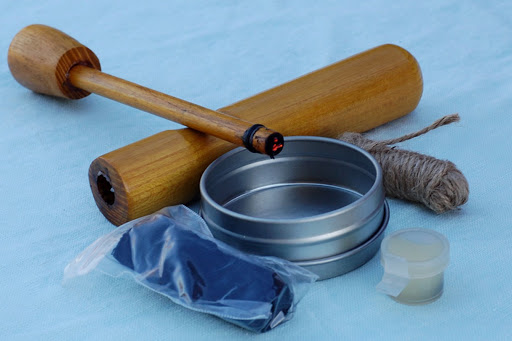
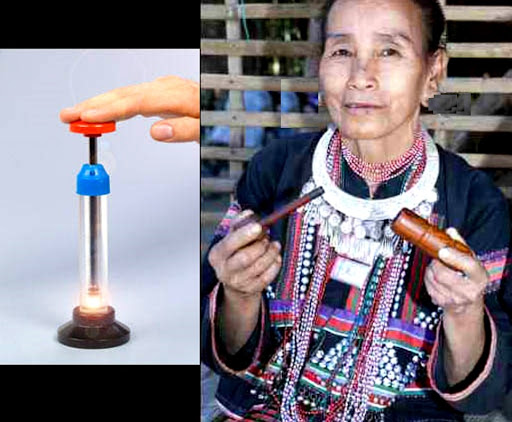
Fire Piston

European Version of Fire Piston. image: 101waystosurvive.com

In previous accounts of the ingenious fire-making device known as the fire piston, anthropologists and historians of technology have focused primarily on specimens found in use across Southeast Asia over the past century. This has led to the intriguing possibility that the device was independently invented in the region, without European influence, and possibly long before the 1860s, when European travelers first documented its existence there.

The fire piston was originally invented over 1,500 years ago in the areas of Dipag and Sembuangan—now Dipolog City in modern-day Zamboanga del Norte, on the island of Mindanao, Philippines—by a Subanen teenager named Anlangan”. Read more here

Fire Piston / Luthang gapuyan

Primitive / Original Asian version of Fire Piston - image: oscarsbows.com

As a result, scholars have generally regarded the fire piston's emergence in Europe during the early nineteenth century as either the product of an independent—though arguably less compelling—process of invention in the West or as a direct import from Asia, particularly the ancient kingdoms now called the Philippines, where the device was already in common use. While such accounts have been valuable in preventing the fire piston from falling into obscurity, they have presented an incomplete history—neglecting the European adaptation of the instrument—and have relied on insufficient evidence for certain key aspects of its development.. – Robert Fox

Dr. Robert Fox, lecturer in the history of Science at the university of Lancaster, is the author of forthcoming book on the caloric theory of gases.

Read other source: Facebook Videos

Chemistry and Science Explanation of Luthang Gapuyan or Fire Piston

Null

Fire piston was invented in "Dipag" now Dipolog City in the modern Zamboanga del Norte, island of Mindanao, the Philippines over 1,500 years ago by a Subanen tribe teenager named “Anlangan”.

Scientific Explanation of Fire Piston

Problems:

Problem 2: What is the number that goes into C3?

Problem 3: What is the weight of air in the 16 liter tank (N2)?

Problem 4: What is the formula that goes into N2?

Problem 5: If you wanted to figure the total weight of the tank at 3500 psi, what cell do you change?

Problem 6: If the temperature was 92°F instead of 77°F, what would the new formula in I3 become?

Problem 7: What cells need to be updated to do that?

Problem 8: What is the final pressure in mm of mercury (mm of Hg)?

Problem 9: What is the formula that goes in L2?

Problem 10: What would be the final pressure if the end volume was 0.7mL?

Problem 11: What is the pressure now after some of the cotton burns (L2)?

Problem 12: What is the pressure of L2 in atmospheres?

The volume of the air in the fire piston cylinder starts at 10.0 mL and then is squeezed to 1.0 mL. The temperature started as 25°C (room temp) and ended up at 600.°C. The pressure before being squeezed was 740mm of mercury (Note 760mm Hg is 1 atmosphere). We want the final pressure. If temperature had remained the same, this would be easy. The volume went down to 1/10 its original size, which would make the pressure be 10 times larger (740mm x 10=7,400mm mercury). However, the temperature changed, so it's more complicated. We can start with PV=nRT; however, there are two conditions. One at the beginning and one at the end. So we need two PV=nRT formulas. Let P1V1=n1RT1 be the values before it was compressed. Then P2V2=n2RT2 would be the values after compression and becoming hot. Since R is constant, it is the same in both equations. We can exploit that fact. Let's solve both equations for R. In the first R=P1V1/n1T1, and the second is R=P2V2/n2T2. Since both are equal to R, they are equal to each other. So, P1V1/n1T1=P2V2/n2T2. Since the moles of the gas didn't change, n1=n2, we can multiply both sides by n1, which would cancel out both n1 and n2. Our equation now reads:

P1V1/T1=P2V2/T2

We know all of these values except for P2 (final pressure). So lets solve for P2 by dividing both sides by V2 and multiplying both sides by T2. We now get

P1V1T2/(T1V2)=P2, which can also be written as P1x V1x T2 /T1 /V2=P2. This looks like a good job for a spreadsheet. Since there's no R in the formula, we don't need pressure measured in atmospheres or volume in liters, but we do have to use Kelvin. So 273 gets added to the Celsius degrees.

The pressure in the fire piston will go up at the point the tender attached to the bottom of the pistion catches fire. (I used a piece from a cotton ball in my fire piston). When the cotton burns, it will consume the oxygen but will produce carbon dioxide and water vapor and higher temperatures. So the pressure should go up due to more gases and higher temperature.

Cotton is cellulose, which has the formula of

(C6H12O5)n. The "n" means it is a long chain of these glucose molecules. But we can treat it like it was burning C6H12O5. Here's the balanced equation.

2C6H12O5+13O2 --> 12CO2 + 12H2O

We can't ignore the nitrogen gas, which is 5 times the number of oxygen molecules (5 x 13=65). So we can add that to the reaction.

2C6H12O5 +13O2 + 65N2--> 12CO2 + 12H2O + 65N2

Looking at this we see that we start with 78 moles (12+65) of gases and end with 84 moles (12+12+65) of gases. Also, the burning will increase the temperature. The yellow flame indicates a temperature around 3,000 Kelvin.

This problem is similar to the last one but the intitial conditions are the final conditions in the above problem.

That was P2V2=n2RT2

After the flame heats up the air and creates the extra gases, the condition is different. Let's use P3V3=n3RT3 for the new final condition.

Like before we can solve for R on both and set them equal to each other. This looks like the last time we did it:

P2V2/n2T2=P3V3/n3T3

This time the moles are changing, but the volume is the same. So we need to keep the moles (n2 and n3) but we can drop the volumes. That simplifies it to:

P2/n2T2=P3/n3T3

Solving for the final pressure (P3) by multiplying both sides by n3 and T3 gives us:

P2n3T3/n2T2 = P3

Even though we don't know the exact number of moles, we do know the ratio of moles, which works fine when you have one divided by the other. So the 78 moles for n2 and the 85 moles for n3 that we got from the balanced equation works fine.

We can check the units to see if they cancel and we can check the logic. In the above spreadsheet we see that we have 85 moles over 78 moles. So that's 85/78, which will make the pressure larger as expected. We see the temperature ratio of 3000 over 873 or 3000/873, which will also make the pressure larger. So these fractions are doing what we expect should happen to the pressure which is to become larger when there's more moles and higher temperatures. Read more at Chemistry land

Canadian mining firm admits wrongdoings to Gukom State of Subanon Territories in Mindanao

 Gukom sog Pito ko Dolungan (Gukom of the Seven Rivers Region)

After years of violating the human rights and customary laws of the Subanon Territory, TVI Resource Development, Inc. (TVIRDI)  a Canadian firm later then admitted to its wrongdoings in a cleaning Ceremony led by the Subanon's traditional judicial authority in Gokom State.

TVIRDI, a subsidiary of the Canadian mining firm TVI Pacific, began exploiting the resources within Mount Canatuan in 1994. However, the company never obtained the Subanon's consent to occupy the sacred mountain, which is located within the ancestral domain lands in the Subanon Territoreis, Philippines province of Zamboanga del Norte. The Subanon Authority led by Honorable Timuay Jose Boy Anoy refused to give his consent to TVIRDI, because Mount Canatuan is sacred mountain to our ancestors.

Over the years, the Subanon did everything in power to protect the mountain; but with the Philippine government being a major investor in the mine, our efforts always fell through.

In 2007, with no other options in sight, the Subanon authority in Gukom State decided to turn to the own Traditional judicial authority for help. The Traditional authority, known to the Subanon here as the Gukom sog Pito ko Dolungan (Gukom of the Seven Rivers Region), agreed to step in.

After months of deliberation, the Gukom found that TVIRDI was guilty of violating human rights and Subanon customary law. The verdict mentioned, in part: TVI's refusal to recognize Timuay (traditional leader) Jose "Boy" Anoy as the traditional leader of the Subanon in the area; damages they caused to personal property and the environment, the physical abuse of certain individuals; and their failure to obtain the Subanon's free, prior and informed consent (FPIC).

The verdict required TVIRDI to take part in a mandatory cleansing ceremony and pay fines to the Subanon for their actions.

Initially, the company would have no part of it; but, "In August 2009, after a series of consultations, Honorable Timuay Boy Anoy was formally installed by the Gukom as the legitimate Timuay in the titled ancestral domain in Canatuan. During the event, TVIRD also publicly declared their recognition of Timuay Anoy's leadership and declared its willingness to discuss ways of resolving their conflict with Timuay Anoy and his Council" the Gukom state, in a May 18 Press Release. "The act paved the way for further negotiations of the other penalties."

Two years later, on May 17, 2011, TVIRDI took part in that Ceremony.

During the Ceremony, the company finally acknowledged that Mount Canatuan is a sacred site and admitted that they were wrong for desecrating it. They also admitted to their other misdeeds and agreed to pay the fines as stipulated by the Gukom.

"Since TVIRDI admitted its fault and presented themselves to Honorable Timuay Boy Anoy whose authority they violated, the imposed penalty could be negotiated to an agreed minimum amount," explained Timuay Fernando Mudai. The fine was presented by a TVIRDI representative before the formal opening of the Boklug Ceremony.

Some may view the Ceremony--and indeed, TVIRDI's admission---as little more than a symbolic gesture; however, as Mines and Communities points out, "For the legitimate leaders who have struggled for recognition (and lost much in the process because of their anti-mining stance), this event is more than symbolic. The submission by TVI to tribal justice marks a victory in overcoming the huge imbalance of power faced by tribal people like the Subanon when confronting such companies."

The victory is of the rarest kind, given how Canadian mining companies incessantly claim they're accountable only to themselves.

That said, with the ceremony now over, TVI has to prove that it means it. Mines and Communities suggests that "TVI should back up its apparent new-found respect for the Subanon, by assuring that the Canatuan mine is closed according to best international practice and by agreeing not to mine on the lands of other Subanon peoples without their Free, Prior and Informed Consent."

Subanen UN-CERD Complaint against Racial discrimination

Subanon UN-CERD Complaint from katutubo ako on Vimeo.

Back in 2007, when the Subanon first approached the Gukom Office, they also filed a complaint with the UN Committee for the Elimination of Racial Discrimination (UNCERD) against the Philippine Government for its own role in the Canatuan mine.

As the Gukom explain in the press release, the government is just as responsible for what happened as TVI. Only they don't want them to go through a ceremony. They want to proceed with the complaint. As Honorable Timuay Noval states, "...our complaint in the UNCERD is against the violations of the Philippine Government to our rights, customs and traditions. The Buklog... is TVIRDI's compliance to the Gukom's imposed penalty."

 "Whether we accept or not TVIRDI's atonement, it does not matter to our UNCERD complaint because the fact remains that the Philippine Government violated our rights," added Timuay Lambo. 

"We are not imposing penalty nor requiring the government to conduct a cleansing ritual, what we are asking is an admission of their fault and commitment to protect the rights of indigenous peoples, first and foremost," said Timuay Jose Boy Anoy.

For more information, please contact: 

Soliling Eufemio Undadi 
Media Relations Officer 
Mobile Phone: +63 (0)921-254-6917 

Or 

Honorable Timuay Noval L. Lambo 
Gulang Gukom 
Mobile Phone: +63 (0)926-485-9820 

Or 

Gukom sog Pito ko Dolungan Office Block 7 Lot 8 Phase I Country Homes, Ayala Zamboanga City Email: gukom7d @ yahoo.com

Subanen tribal council, slain Basilan mayor named “Peace Weaver” awardees

Delia Bisquera-Biel received the posthumous award for her husband, Mayor Luis R. Biel II of Isabela City who was gunned down in March last year, while Subanon Timuay Noval Lambo received the award on behalf of the Gukom Sog Pito Kodulungan (Council of Seven Rivers) on December 2 at the Garden Orchid Hotel here.

Biel was mayor when Basilan’s capital town became a city in 1998. The Peace Advocates Zamboanga’ awards committee conferred on him the award, though posthumously, in recognition of his  “boundless compassion, noble vision and just peace for the people Basilan.”

“In the eight years since his first election in 1998, Mayor Biel built a city hospital, government complex, public markets, two bus terminals, schools, day care and feeding centers for children, multi-purpose and barangay halls, roads for farmers, cultural centers for his Muslim constituents as well as Christians, health units, and many more,” the citation read.

“He created livelihood assistance programs for the poor, farmers, fishermen, rebel returnees and women for them to enjoy economic security and human dignity. He initiated and encouraged inter-cultural dialogue and interfaith programs amongst his Muslim and Christian brothers and sisters,” it added.

The committee also noted how Biel “proudly promoted the new city as a tourism destination mainly for its people’s rich and unique cultural diversity.”

Biel’s family managed a transportation business in Basilan with hundreds units of buses and passenger jitneys plying different routes reaching even far-flung areas. Before becoming the city’s chief executive, Biel also held different elective posts in the island.

The entire city mourned his death as “it meant a loss of a father and loss of a builder of Isabela,”  Biel’s wife, Delia, said in accepting the award.

“He was a simple man but with big heart for Isabela City and for IsabeleƱos. He gave the contentment and peace to the heart (of Basilan people),” she said as she accepted the recognition before the award’s committee from Peace Advocates Zamboanga and the local interfaith group called Interreligious Solidarity Movement for Peace.

“His death, though, is not in vain, for men and women of goodwill continue to remember, honor and love him.  Truly, the blood of this martyr will water our meadows of hope for a long, long time,” the citation read.

The Gukom Sog Pito Kodulungan (Gukom), Subanon council of seven rivers in the Zamboanga Peninsula is composed of some 30 timuays (chieftains) of various tribal communities, whose total present population is approximately 300,000, mostly living in the highlands of the southern part of the peninsula.

The awards committee cited the Gukom’s mission of reviving and consolidating the traditional form of leadership and governance in their efforts to federate their widely dispersed (Subanon) villages.

The committee also honored Gukom’s role as facilitator, mediator or arbiter in communal conflicts among its tribesmen.

“As such, it is an authentic modern-day peacemaker who utilizes time-honored, traditional ethnic norms of conflict management and resolution.   Its continuing successes are reinforcing the Subanons’ sense of indigenous identity and pride, thereby empowering them to achieve their many hopes and dreams,” the citation stated.

Gukom, through the support of other civil society groups, also served as its people’s vanguard in their quest for better social and economic well-being.

“Indeed, this awarding occasion is considered as the most memorable event in the history of our Subanon people,” said Gukom chieftain Timuay Noval Lambo in his acceptance address.

Aside from it being the first award they received, the Timuay said, it also recognized Subanon people despite  “our being the most marginalized tribe in our present society.”

He assured that Subanon had been and will remain peace-loving citizen in this region.

“Peace-building has been observed faithfully and religiously by our Subanon people up to the present time. Where there is peace, the Subanons are there,” he stated in response to the common goal of the award.

Fr. Angel Calvo, PAZ president and chair of the awards committee said the recognition is given annually to individuals or groups who demonstrated consistent effort and works in promoting peace and development in different areas and fields and their communities.

Previous awardees include fomer Zamboanga Archbishop Carmelo Morelos, the late Muslim leader Professor Amilussin Jumaani, community worker James Alih Abdul and Miriam Suacito, Tausug women rights advocate Piang Albar, former Basilan Bishops Romulo dela Cruz and Jose Ma. Querexeta and Fr. Rhoel Gallardo.

The Peace Weaver Award is also part of the annual activity calendared for the weeklong celebration of the Mindanao Week of Peace. This year’s celebration started on November 29 and ends on December 05. (Nung Aljani/MindaNews)